

Key Takeaways
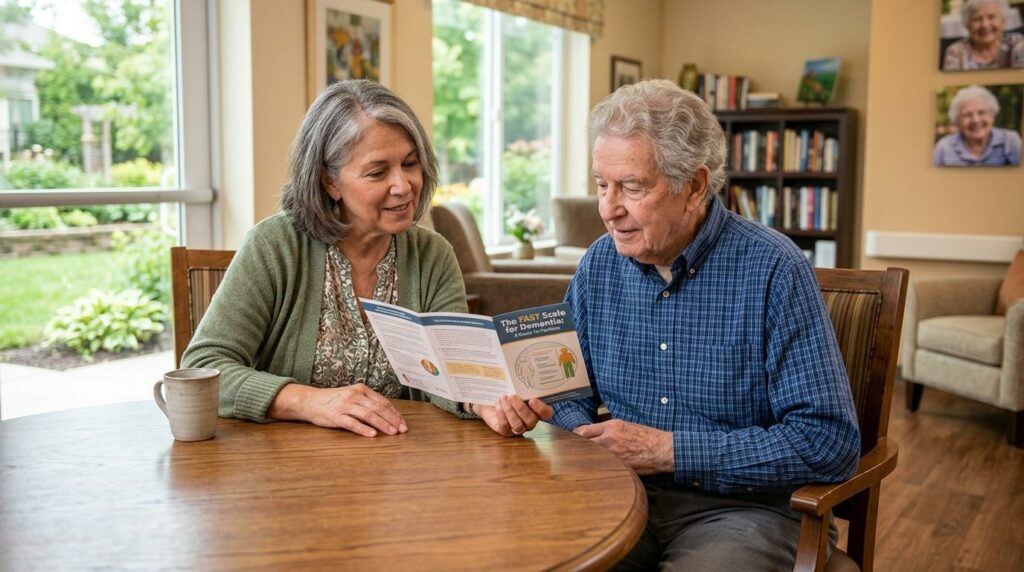
- The FAST scale breaks dementia progression into 7 stages to help families understand what to expect.
- Early stages involve minor memory changes, while later stages bring more significant physical and communication challenges.
- Knowing the stages can help your family plan ahead and have important conversations before a care crisis occurs.
- Memory care communities offer structured, compassionate support tailored to each stage of the journey.
What Families Need to Know About Dementia Stages
When a loved one receives a dementia diagnosis, it can feel like the ground shifts beneath you. There are so many questions, and it’s hard to know where to start. That’s where a tool like the FAST scale can bring some much-needed clarity. Boden Senior Living is here to help your family navigate every step of this journey with warmth and care.
The FAST scale, short for Functional Assessment Staging Tool, is a framework that tracks how dementia progresses across 7 stages, helping families understand what changes to expect and when to explore different levels of care. It’s not a crystal ball, but it is a helpful guide for navigating one of life’s most challenging chapters with more awareness and less uncertainty. Knowing where your loved one stands can also help you explore when memory care may be the right fit for your family.
The 7 Stages of the FAST Scale
Stages 1 Through 4: Early Changes
In Stage 1, there’s no noticeable decline in day-to-day function. Your loved one may seem completely like themselves, and that’s because, at this point, there’s nothing visibly different to observe. Stage 2 brings minor memory slips, like forgetting where keys were left or blanking on a familiar name, but these can often seem like normal age-related changes.
By Stages 3 and 4, the shifts become more noticeable. Your loved one may struggle with complex tasks like managing finances, planning a trip, or following a multi-step recipe. They may need gentle reminders or a little extra help to get through the day, but they’re still living with a good deal of independence. It can also help to learn more about how to tell the difference between normal forgetfulness and dementia during these earlier stages.
Stages 5 Through 7: Increased Care Needs
Stage 5 is often when families begin to notice that daily tasks are harder to manage alone. Choosing appropriate clothing, maintaining hygiene, or keeping track of a routine may require consistent support. This is a meaningful turning point for many families as they start thinking about more structured care.
Stage 6 involves greater challenges, including difficulty with toileting and a gradual loss of verbal communication. Your loved one may struggle to express their needs clearly, which can be both frustrating and heartbreaking for everyone involved. Stage 7 represents significant physical and verbal decline, where comfort-focused, around-the-clock care becomes increasingly important to your loved one’s quality of life. The Alzheimer’s Association outlines the progression of these later stages in a way that can offer helpful context for families.
How the FAST Scale Can Help Your Family Plan Ahead
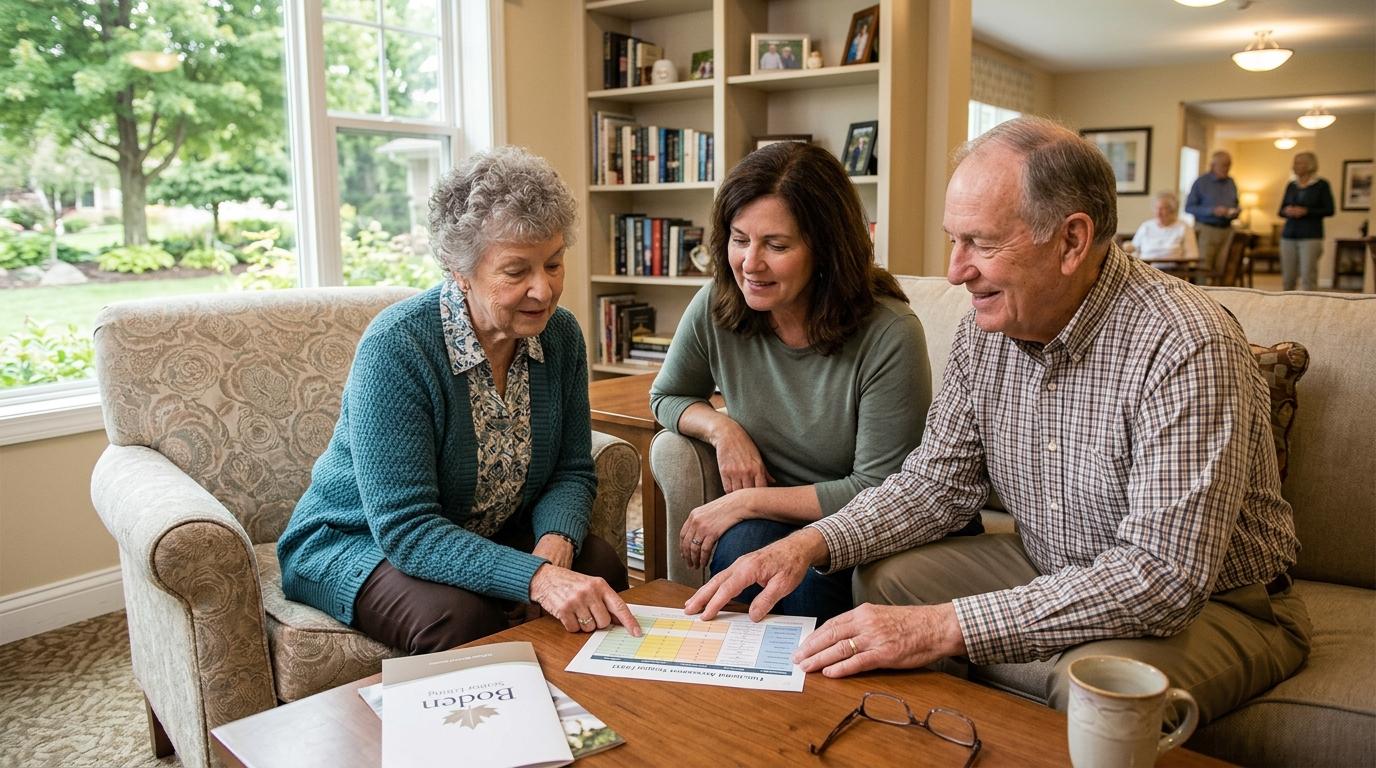
One of the most valuable things the FAST scale offers is time. When you have a general sense of what the road ahead may look like, you can make thoughtful decisions instead of reactive ones. Planning ahead, rather than waiting for a crisis, gives your family the space to explore options with care and without pressure.
The scale also opens the door for honest, loving conversations. Talking about care needs can feel uncomfortable, but framing those discussions around stages rather than symptoms can make them feel less heavy. It shifts the conversation from “what’s wrong” to “what do we want to be ready for,” which can feel much more manageable for everyone at the table.
Knowing where your loved one falls on the FAST scale can also help you identify the right timing for memory care support. Connecting with a senior living team before you feel like you’re drowning gives you the chance to tour communities, ask questions, and make a decision that truly fits your family’s needs. The family resources at Boden are a great place to start gathering information.
Signs It May Be Time to Explore Memory Care
Behavioral and Safety Changes to Watch For
Some of the clearest signals that more structured support may be needed are changes in safety and behavior at home. Wandering, increased confusion, or moments of agitation can be difficult to manage without the right environment and training. If your loved one is frequently getting disoriented or upset, it may be time to look at options designed specifically for those needs.
Caregiver burnout is another real sign worth paying attention to. When the weight of day-to-day care starts affecting your own health and well-being, that’s worth taking seriously. Caring for someone with dementia is deeply meaningful work, and having additional support doesn’t take anything away from the love behind it. Recognizing the signs your loved one needs memory care can help you feel more grounded in that decision.
How Memory Care Addresses These Needs
Memory care communities are designed around routine, familiarity, and comfort. Structured daily programs help residents feel grounded and engaged, reducing anxiety and confusion. Personalized care plans are built around each individual, which means the support your loved one receives reflects where they are in their journey, not a one-size-fits-all approach.
On-site support is available around the clock, so families can rest easier knowing someone is always nearby to help. That kind of consistent, attentive care can make a real difference in your loved one’s day-to-day comfort and sense of security. You can take a closer look at the services and amenities available to get a feel for what that daily life looks like.
Next Steps for Your Family
The FAST scale is a tool worth returning to over time. As your loved one’s needs change, it can help guide conversations with care teams and inform decisions about assisted living, memory care, or enhanced care options. At Boden Senior Living in Apple Valley, we are here to walk alongside your family at every stage. Scheduling a tour of our memory care community can be a meaningful first step toward finding the right support for the person you love.